
Low Pressure Molding:
The Better Alternative for Circuit Board Potting
Low Pressure Molding Compared
to Circuit Board Potting
Low Pressure Molding and traditional circuit board potting differ significantly in several key aspects. Low Pressure Molding offers a streamlined, environmentally friendly approach that reduces overall material use and weight, enhancing the sustainability of manufacturing processes. It provides superior protection and flexibility in design, making it an advantageous choice for modern electronic applications. These features contrast with the heavier, often more cumbersome traditional potting techniques, which may also involve more complex and less eco-friendly materials and processes.
| Potting | Low Pressure Molding | |
| Weight | Heavy | Reduced |
| Need for Additional Parts | Often required | Fewer to none |
| Environmental Protection | Lower | High (No VOCs & Low Waste) |
| Waterproofing | Standard | High |
| Cost | Higher (due to extra parts and weight) | Cost-effective |
| Design Flexibility | Limited | High |
| Aesthetics | Housing required | Improved; no additional housing needed |
| Manufacturing Process | More steps | Simplified |
| Material Consumption | Higher | Reduced |
More Efficient Production
with Low Pressure Molding
Benefits
at a Glance
Eco-Friendly Manufacturing:
Design Flexibility:
Weight Reduction:
Cost-effectiveness:
Aesthetic Improvements:
Streamlined Production:
Fewer manufacturing steps, reduced weight, and a smaller operational footprint optimize the manufacturing process.
Potting vs. Low Pressure Molding:
Comparing Molding Processes
Comparing Molding Processes
VIDEO
Protect with Low Pressure Molding – it’s that simple
FAQ
Low Pressure Molding and Traditional Potting
How does Low Pressure Molding impact the total operational costs compared to traditional potting?
Low Pressure Molding typically reduces operational costs by lowering cycle times, using less material, and reducing waste. Additionally, the simplified process reduces labor costs and the need for post-processing steps like machining or housing installation, which further lowers overall expenses.
Can existing designs for traditional potting be easily converted to Low Pressure Molding?
While many designs can be adapted to LPM, some may require modifications to accommodate the lower pressures and temperatures used in the LPM process. Design considerations often include the integration of proper venting and the suitability of the substrate material to bond with LPM resins.
Can Low Pressure Molding provide the same level of component protection as traditional potting?
Yes, Low Pressure Molding can provide equal or superior protection against environmental factors such as moisture, dust, and impact. The materials used in LPM form a tight seal around components, which can be more effective in protecting delicate electronics compared to traditional potting.
Is the setup process for Low Pressure Molding more complex than that for traditional potting?
Although the initial setup for LPM, including mold design and machine calibration, can be more involved, the overall process becomes much more streamlined and efficient once these initial steps are completed. This contrasts with traditional potting, which often remains labor-intensive and time-consuming throughout.
How does the cost-effectiveness of Low Pressure Molding compare to traditional potting?
Initially, LPM may require a higher investment in terms of equipment and mold setup. However, the ongoing costs are generally lower due to reduced material usage, faster cycle times, and minimal labor requirements. Over time, these factors make LPM a more cost-effective solution compared to traditional potting.
What are the typical industries that are transitioning from traditional potting to Low Pressure Molding?
Industries such as automotive, consumer electronics, medical devices, and telecommunications are increasingly adopting LPM due to its superior protection, design flexibility, and environmental benefits.
LPMS USA
Equipment & Materials

Low Pressure Molding Equipment
Equipment

Low Pressure Molding Materials
Materials
LPMS USA offers an extensive portfolio of low pressure molding materials
Tooling Services
Reliable, Repeatable Tooling
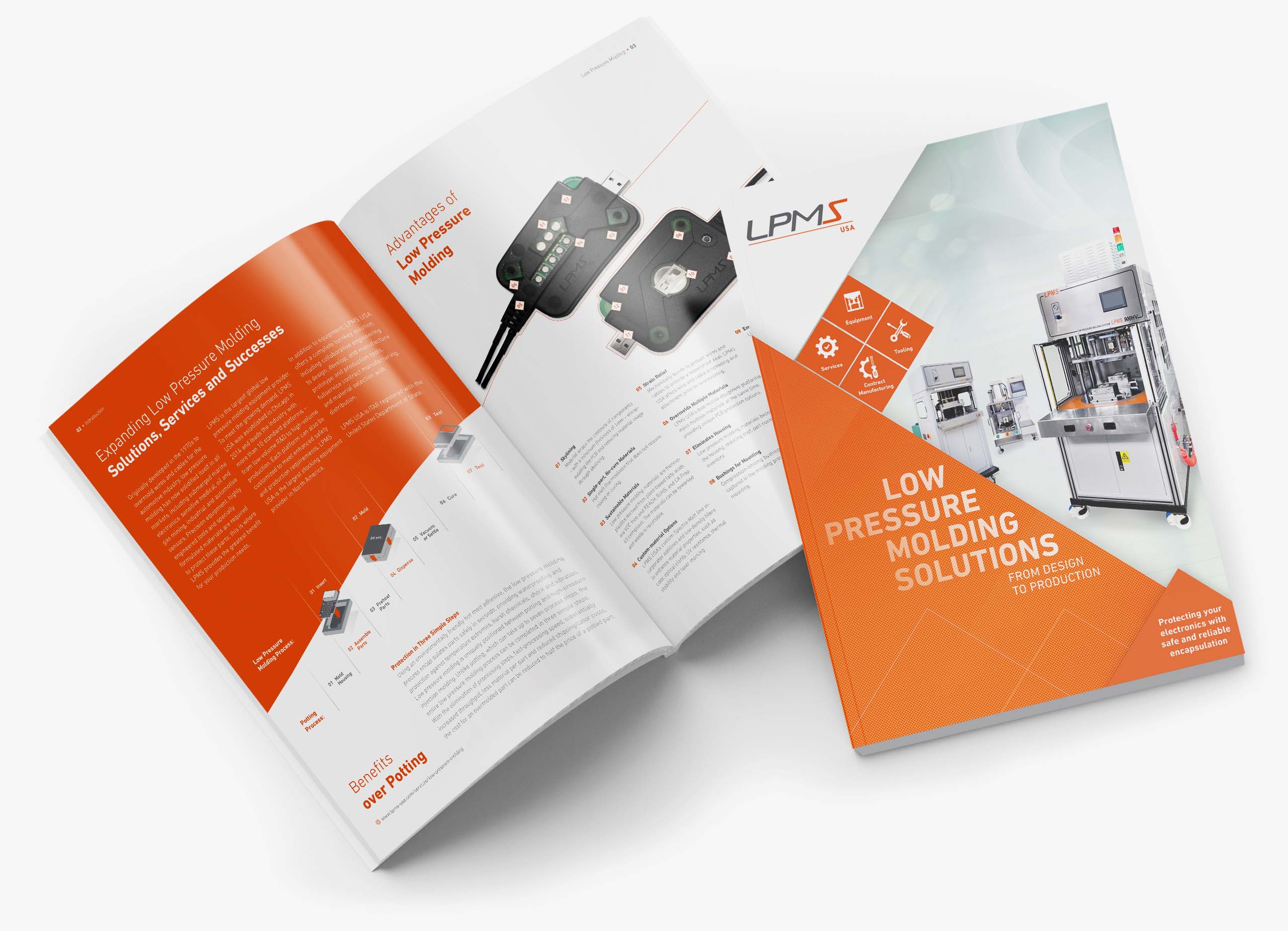
LPMS USA Brochure
Overmolding Services
Contract Manufacturing
LPMS USA is the only low pressure molding equipment provider with its own ISO 9001-certified and ITAR registered and compliant production facility
Low Pressure Molding
Technology Overview
Unlike potting and other encapsulation techniques, the entire low pressure molding process can be completed in three fast, simple steps
Further Topics

Cost Savings Calculator
Our low pressure molding solutions open up great savings opportunities for you. Use our cost savings calculator to identify your individual savings potential.

Get in Touch
LPMS USA
1441 Branding Lane, Suite 110
Downers Grove, IL 60515 USA
Tel: +1 (800) 353-7773

Application Checklist
Tell us about your project, and an LPMS USA representative will contact you directly